Best flooring for pets in Australian homes
Claws, urine, water bowls and sandy paws — which floors survive dogs and cats without turning the hallway into a case study.
Elena Hart, Editor · 2026-04-02
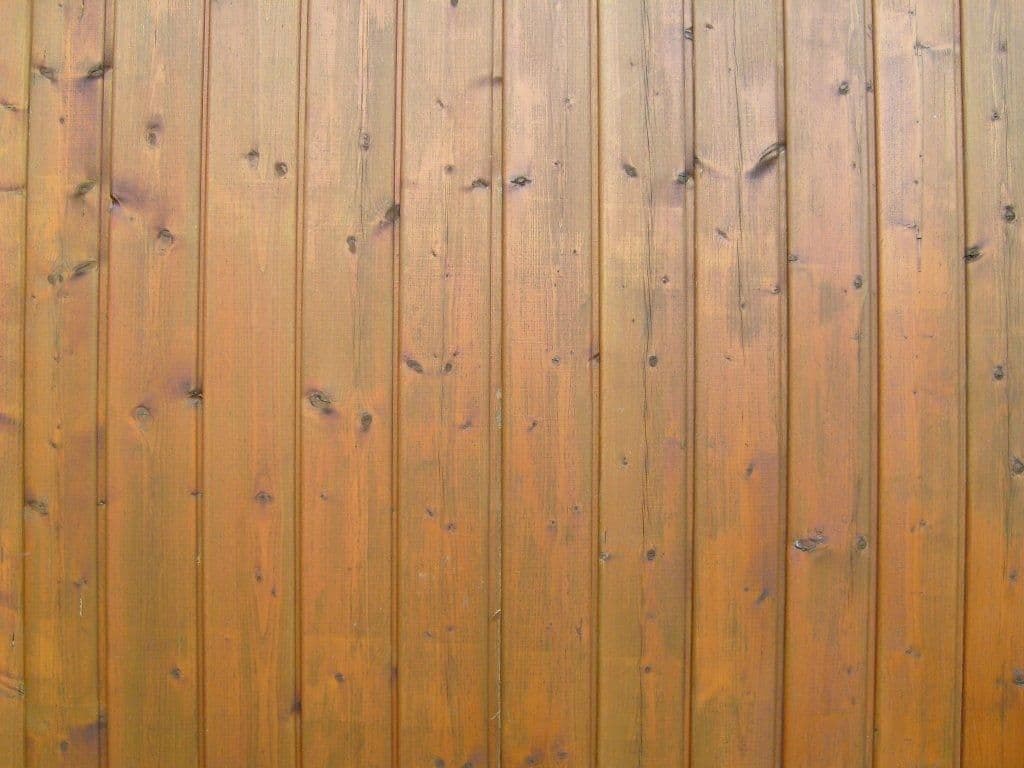
Photograph: Wide timber floorboards in natural light. by Titus Tscharntke. Source on Wikimedia Commons, licensed Public domain. See all image credits.

Pets are a flooring specification. Not a lifestyle caption — a load case: claws, urine, water bowls, sandy paws, and the zoomies down a hallway that is also the only way to the kitchen. Australian houses add UV and, often, a slab that makes every sound louder. If you ignore the animal, you will refinish early.
This sits in the resilient hub because that is where most pet owners end up, but timber and tile are still in the mix. Read it with hybrid versus laminate versus vinyl and cleaning timber.
What pets actually do to floors
Claws abrade finishes. They do not, despite folklore, “ruin hardwood on contact” if the species is hard and the nails are cut. They will wreck a soft, open-grain pale oak oil if the dog is a spanner. Urine is chemistry: it stains, it smells in underlays, and it swells fibreboard cores. Water bowls are a standing-water test you install on purpose. Sandy paws are the beach-house problem from coastal timber, indoors.
Older dogs slip. High-gloss porcelain and some polished concretes are handsome and cruel. Texture is kindness.
Timber: possible, not casual
Hard Australian species — Spotted Gum, Blackbutt, Ironbark — take claws better than a soft import. A film finish that you can screen and recoate is often more practical than a pale raw oil, though oil is more repairable locally. See oil versus polyurethane.
Engineered with a thin veneer is a one-accident product. If you want timber and dogs, buy millimetres of wear layer.
Gaps between boards collect grit and smell. Tighter secret-nail and a maintenance schedule beat a rustic wide board you never sweep.
Hybrid and vinyl: the usual winners
SPC hybrid is popular because the core does not swell like laminate when a puppy has an event, and the surface is tougher than many foams. It still scratches; dark gloss hybrids show every tic. Matte, mid-colour, slightly textured prints hide life.
Glue-down vinyl in the laundry/mud room is a professional move. Sheet vinyl, coved, is how you keep urine out of the slab. Click vinyl with foam backs dents under crates.
Laminate can survive a cat and a careful spaniel in a dry apartment. It will not survive a wet labrador and a bowl that migrates.
Tiles: easy to wash, easy to slip, hard on joints
Porcelain in entries and wet rooms is the clean-up champion. Choose a slip rating that a running dog can use — the same AS 4586 conversation as bathrooms, slightly less soapy. Grout will take the urine stain if you pick a white cement grout in a pale grid. Darker grout, or epoxy in the worst rooms, is hygiene as design.
Carpet: still a bedroom product
A washable rug on a hard floor is a better pet strategy than wall-to-wall in the accident zones. If you want carpet, keep it in bedrooms, pick a solution-dyed nylon or similar, and be honest about the dog. Our carpet photograph is a living room idyll; it is not a puppy specification.
Apartments, smell and the pad
Acoustic pads drink. If an accident sits, the pad becomes the pet. Glue-down systems and washable rugs are easier to live with than a sponge under a click floor. Strata will care about the barking; you will care about the ammonia at 2 am.
A practical hierarchy
- Entry/mud/laundry: tile or coved sheet.
- Kitchen/living: hybrid or a hard timber you will maintain.
- Bedrooms: whatever is quiet, including carpet if the accidents do not happen there.
- Water bowl: a tray, like civilisation.
Pets are not a reason to buy a miserable floor. They are a reason to buy a maintainable one. Floorscapes is on the side of the dog and the finish.
Cats, birds, rabbits and the other households
Cats test vertical scratch more than floors, but litter scatter is a grout and pad problem. Smooth porcelain or a tight hybrid in the litter room is easier than a pale carpet. Birds seed a grit that behaves like sand. Rabbits and indoor guinea pigs are urine specialists; coved sheet vinyl or tile with a real skirting detail will save the particleboard.
Farm dogs who live on verandahs and then on the sofa bring a coastal abrasion problem inland. Treat the first two metres as a mud room even if the architect called it an entry. A tiled tray with a waste and a tap is not unromantic. It is how the timber beyond survives.
Smell sits in underlays, in grout, and in the tongue of a swollen laminate. Ozone machines are not a specification. Replacement of the wet zone is. If you are choosing between a cheaper laminate and a hybrid for a puppy year, the hybrid is the cheaper year-three floor.
Training is part of flooring. A dog door onto a west-facing tile that burns paws will redirect the dog to the pale oak. Think like the animal for an afternoon. Then buy the floor.
Crates, feeding stations and the laundry as a clinic
A crate is a point load and a scratch ring. Put it on a mat that you can wash, not on a pale oil. Feeding stations are water plus kibble grit: a tray with a lip is cheaper than a recote. The laundry is where wet dogs shake. If that room is hybrid without a waste, you are trusting a lock profile with a labrador. Tile the laundry. The rest of the house can be kinder.
Insurance and strata by-laws sometimes mention animals; they never mention pads that drank urine. If you are in a unit, glue-down systems and washable rugs will keep you saner than a sponge under a click floor. The neighbour below will hear the zoomies either way; they do not need to smell them.
A good floor for pets is one you can reset after a bad week. That is the brief. Beauty is allowed on top of it.
Nail trims, mats and the hallway as a runway
Short nails do more than any wear layer. A mat at every external door, washed weekly, does more than any hybrid brochure. The hallway is a runway: if it is also the only path to the kitchen, specify it as a traffic product, not as a gallery oak. A slightly darker, slightly textured plane in that run, even if the bedrooms are paler, is a designed sacrifice. Dogs do not read moodboards. Floors that survive them look like they were specified by someone who has owned one.
People also ask
- Is hybrid flooring good for dogs?
- Often yes: a rigid SPC with a decent wear layer handles claws and most accidents better than laminate or a soft vinyl. It will still scratch, and urine left in joins is still a smell problem.
- Can you have timber floors with dogs?
- Yes, with a hard species, a maintainable finish, nails kept short, and an acceptance of patina. Soft pale oils and large energetic dogs are a hobby.
- What is the worst floor for pets?
- High-pile pale carpet in the accident zone, cheap laminate in the water-bowl zone, and anything glossy and hard that becomes a slip for an older dog.
Continue in the Vinyl, laminate and hybrid hub or read the Floorscapes editorial standards. Pitch a related essay on the write for us page.