Matching new flooring to old boards in an Australian renovation
Why ‘close enough’ species fail in raking light, how to blend rooms, and when a deliberate change of floor is kinder than a bad match.
Elena Hart, Editor · 2026-06-18
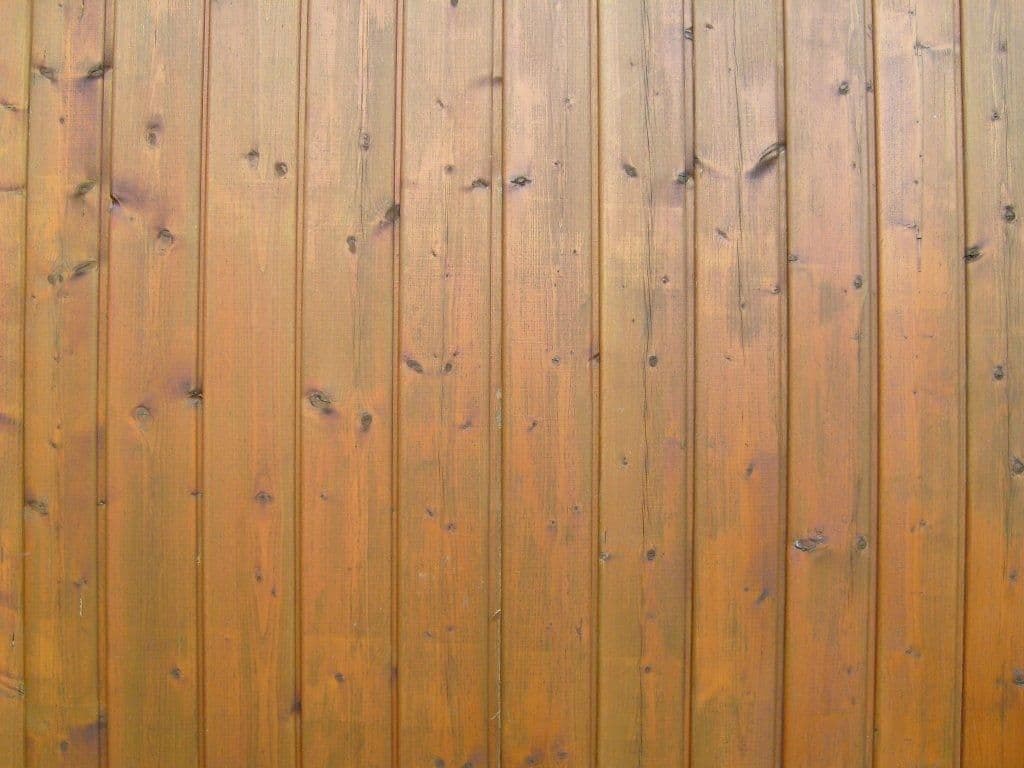
Photograph: Wide timber floorboards in natural light. by Titus Tscharntke. Source on Wikimedia Commons, licensed Public domain. See all image credits.

Renovations are where floors go to be disappointed. A new kitchen on a slab wants 180 mm engineered oak. The hallway is 80-year-old secret-nailed something-red. The salesperson says “we can get close”. Close is a stripe. Raking Australian light will publish that stripe every afternoon.
This is the matching companion to species, sanding and open-plan choices.
Identify the existing floor like a grown-up
Species, width, thickness, grade, whether it is solid or an old overlay, how many times it has been sanded, what the finish is. A tradesperson who has seen a lot of Jarrah, Blackbutt, Tallowwood, mixed Victorian ash can often tell. A phone photo cannot.
Measure the remaining wear. If the boards are thin over tongues, they cannot take another heroic sand to meet a new room.
The three honest strategies
1. Continue. Same species, similar width, site-finished together, old floor screened or sanded so the sheen matches. Extra boards from a mill that still cuts it, not a “lookalike” from a different tree.
2. Translate. Same family of colour and sheen, different width or a border, so the eye reads “related rooms” not “failed clone”. A herringbone inset with a border can be a gift — parquetry.
3. Change. Tile or hybrid in the new work, timber in the old, junction designed. This is not a failure. It is how a lot of good Australian houses admit they were built twice.
“Close enough oak” against old Jarrah is none of these. It is a third, worse floor.
Finish is the match more than species
A new water-based matte next to an old solvent gloss will never be the same colour, even in the same tree. Plan a recote across both planes if you want a blend. Oils versus films: that essay.
UV has already coloured the old boards. New timber will catch up only where the light is. Rugs will keep a museum of the past.
Height, trims, and the dishwasher
New overlay on a slab next to old boards on joists is a section drawing. Do not solve it with a ramp of vinyl trim. Sometimes you lift the old, sometimes you build the new down, sometimes you accept a step that was always there.
When replacement is mercy
Boards at the end of sanding life, particleboard that has swollen, a patchwork of previous “matches”, termite history. A new continuous plane can be the conservation of sanity. Keep a photograph of the old floor; do not keep 14 square metres of it in a bad meeting with 40 square metres of new.
Sampling
Lay new boards in the old room, not in the garage. Live with them. If you hate the meeting, you will hate it more when it is 40 m².
Floorscapes is pro-junction and anti-wishful matching. The house already has a floor. The renovation should either join it properly or greet it at a designed door.
Paint, joinery and the other matches
The floor is not the only colour that has to meet the old house. Skirtings, new kitchen legs, and the stair paint all shift what “matching” means. Sometimes you recote the old boards to a slightly different sheen so they meet new joinery, and you stop chasing the exact 1962 Jarrah red. The room is allowed to be of 2026.
Thresholds at the old back door, now internal, are archaeological. There may be five floor heights in a metre. A custom mill threshold in a related timber is joinery worth paying for. A vinyl trim from the leftover bin is how the renovation looks tired on opening night.
If the old floor is painted boards — common in cottages — stripping may reveal something lovely or something you cannot live with. Test a corner. Painted floors can also be a legitimate finish: a high-quality floor enamel, maintained, in a beach house, is an Australian tradition that is not a failure of timber piety.
Keep one full board from the old floor in the roof as a document. Future you, matching again in 2040, will not remember the mill. Matching is a file, not a feeling.
Contractors, sequences and the week the plasterers walk
New floors die when they are installed too early and used as a path for every other trade. If you are blending old and new, sequence the sanding after the dusty trades, or protect like you mean it. A scuffed new board next to a precious old hall is a matching problem you created.
Put the matching strategy in the specification, not in a hallway conversation. Continue, translate, or change — pick one in writing. Then the tiler, the timber guy and the painter can work to the same drawing. Renovations fail at the junctions. Floors are mostly junctions.
Stairs as the meeting place
Stairs often join old and new levels and old and new species. They are where matching is hardest and most visible. A painted riser and a related timber tread can translate two floors without cloning either. A carpet runner can hide a multitude and add acoustic kindness. Do not leave the stair as “by others” in a matching job. It is the handshake. Specify the handshake.
Photographs, raking light and the client sign-off
Before you commit to a blend, photograph the old floor and the new sample together in raking afternoon light, on the actual plane, with no filter. If the meeting looks like a map, it is a map. Sign off on a junction instead. Clients (including you, when you are the client) remember the photograph they hated and ignored. Do not ignore it. Matching is optical. Optics happen at 4 pm in Australia more than at 11 am. Use 4 pm.
Keep a physical archive, not only a photo
Label a leftover old board and a leftover new board with the room, date and finish system, and store them in the house. Future repairs will not be matched from memory. Matching is a filing problem as much as an optical one. The renovation is allowed to be of its year if the file is honest. Floorscapes would rather a documented junction than a forgotten mill name and a stripe.
People also ask
- Can I match new timber to my existing floor?
- Sometimes, if you can identify species, grade, width and finish, and if you can site-finish the new work to the old. Batch colour still shifts. A threshold or a change of pattern is often more honest than a bad blend.
- Should I sand the old floor when I add a new room?
- If you want them to read as one plane, you usually recote or resand the old with the new so the sheen and colour meet. Leaving twenty-year-old polyurethane next to new boards is how you draw a map of the renovation.
- Is it better to replace everything?
- If the old floor is at the end of its sanding life, or the match is hopeless, yes. If the old floor is good, spend on a designed junction rather than a truck of ‘similar’ boards.
Continue in the Rooms and Australian houses hub or read the Floorscapes editorial standards. Pitch a related essay on the write for us page.