Porcelain vs ceramic tiles for Australian homes
Absorption, hardness, outdoor use and the Australian habit of calling everything porcelain — a working distinction for floors, not walls.
Priya Nair, Tiles and wet-area editor · 2026-02-26
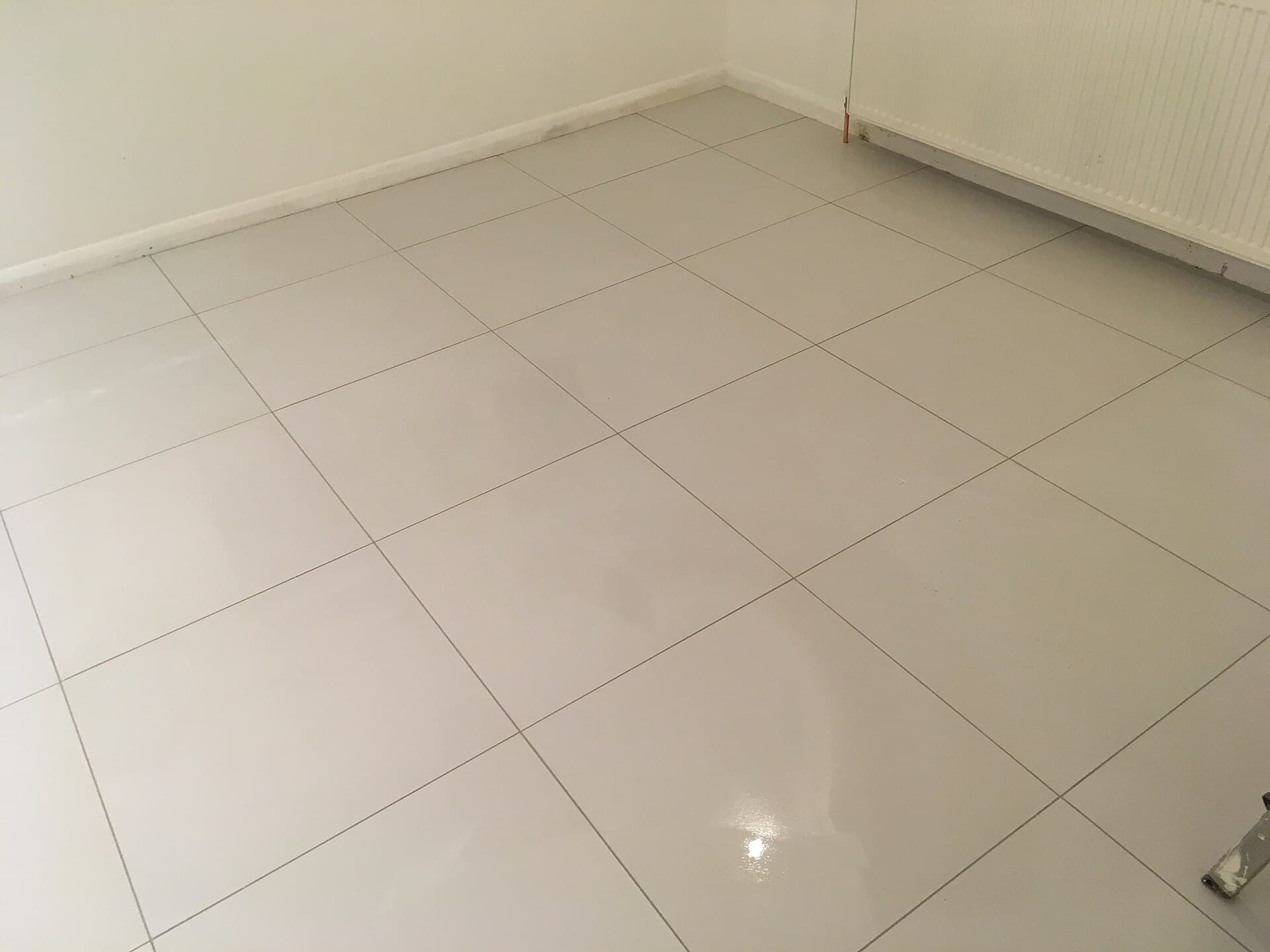
Photograph: Polished porcelain floor tiles with tight joints. by ColumbD. Source on Wikimedia Commons, licensed CC BY-SA 4.0. See all image credits.

Australian tile merchants will call a floor “porcelain” the way cafés call a drink “artisan”. Sometimes it is true. Sometimes it is a ceramic with a gym membership. The distinction that matters on a floor is not the marketing noun. It is water absorption, hardness, and whether the tile is actually rated for feet, frost, and the sun on an Adelaide west wall.
This is the tiles desk’s comparison. It pairs with large-format tiles, bathroom slip ratings and outdoor alfresco tiling. If you wanted timber, you are in the wrong hub — start at timber floors.
Body, glaze and the absorption number
Ceramic tiles, in the old sense, are fired clay with a glaze doing the waterproofing. They can be perfectly good on a laundry wall. On a floor, the glaze can wear, the body can be more porous, and a cracked glaze becomes a sponge.
Porcelain, properly, is a denser, often through-bodied or very low-absorption tile, fired hotter. ISO 13006 groups help: porcelain is typically in the low-absorption classes (think E ≤ 0.5 per cent for the genuine article). That low absorption is why porcelain is the default for Australian floors that might see mopping, wet feet, or an outdoor threshold.
Through-body porcelain shows the colour in the biscuit, so a chip is less of a white crater. Glazed porcelain can still be excellent — many stone-looks are glazed or digitally printed — but a deep chip will tell on you.
Floors are not walls
A wall tile can be beautiful and still be too soft, too slippery, or too poorly calibrated for a floor. Look for a floor rating, a slip rating if the room gets wet, and a breaking strength that a tiler will stand behind. Kitchen floors with chair legs and dropped Dutch ovens are a different brief from a splashback.
Polished porcelain looks like a Melbourne lobby and behaves like ice when a drop of olive oil hits it. Honed, structured, or lightly textured finishes are the adult floor in a family house. The photograph in the catalogue is usually wetter, wider, and more empty than your kitchen.
Heat, UV and the Australian outside
Not every porcelain is an outdoor tile. Some will fade, some will not like freeze–thaw in alpine towns, some will become skating rinks after rain. Alfresco is its own specification: see outdoor tiling for Australian weather. Ceramic that was happy in a guest ensuite will spall on a Mornington deck.
Dark tiles on a north-facing terrace will cook bare feet and can stress grout with thermal movement. Light tiles show every barbecue fat splash. There is no morally correct colour, only consequences.
Rectified edges, grout joints and lippage
Rectified porcelain is how we got 1.5–3 mm joints and the modern “almost seamless” look. Those tight joints demand a flat substrate and a tiler who understands lippage. Large rectified tiles on a dish of a slab are how you get a tripping hazard with a designer name. That is the whole subject of large-format tiles, grout and lippage.
Ceramic with a cushioned edge wants a wider grout joint and can be more forgiving of slightly uneven beds. That is not rustic charm. That is geometry.
Wet areas, membranes and the tile that is not waterproofing
A porcelain floor in a bathroom is not the waterproofing. The membrane, falls, and details under AS 3740 and the NCC are the waterproofing. The tile is the wearing surface. Priya will keep repeating this until the internet stops saying “tiles are waterproof so we’re right”. Read bathroom floor tiles and slip ratings before you buy a polished 1200 mm slab for a shower with no niche and no grab rail.
Cost, weight and the rest of the invoice
Porcelain is often dearer per square metre than a builder-grade ceramic, and large formats are dearer again because they need better boards, better adhesive, and more labour. Weight matters on timber first floors; a thick porcelain on an old joist might be an engineer’s letter, not a tiler’s shrug.
Installation quality still beats body type. A cheap ceramic, well bedded, will outlast a fashionable porcelain on dabs of adhesive. Ask how the tile is being bedded. Look at the kitchen flooring essay if the room is the family pinch point.
A short decision list
- Interior dry floor, calm budget, small format: a good ceramic can still be honest.
- Most Australian floors, wet-adjacent rooms, rentals, hallways: floor-rated porcelain.
- Outdoor, pool surrounds, alpine: outdoor-rated porcelain or stone with a slip rating you can defend.
- Shower floor: a structured porcelain or mosaic with falls, not a polished slab because a hotel did it.
Porcelain versus ceramic is a material conversation. It is not a lifestyle. Buy the absorption number, the slip rating, and the tiler. The name on the box is the least interesting part.
Thickness, breaking strength and the dropped Dutch oven
Floor tiles are tested for breaking strength for a reason. A thin wall ceramic, laid on a floor because it matched the splashback, will crack. Kitchens that drop cast iron are a load case; so are fridge feet and the point load of a ladder. Rectified porcelain at 9–10 mm is common in Australian houses. Thicker outdoor 20 mm is a different product, often for pedestals. Weight on old joists is an engineering letter, especially if you are swapping carpet for a stone-look metre tile.
Digitally printed stone-looks vary by design. A single-face print will repeat every few tiles and start to look like wallpaper. A good range has many faces. Buy extra from the same batch; porcelain batches shift like timber batches, just less romantically. Shade variation is a feature in terracotta looks and a defect if you thought you bought a uniform grey gallery floor. Sample a square metre on the slab.
A porcelain with almost no absorption wants an adhesive that can actually stick to a dense body. Old sand-and-cement habits from more porous ceramics do not automatically transfer. In wet areas, the adhesive sits in a system with the membrane. Grout colour changes the tile more than people expect. A mid grey grout on a marble-look porcelain is a grid; a matching grout is a field with a whisper. Sample both on leftover tiles before the installer’s favourite grey appears across 40 m².
Porcelain is energy-intensive to fire and heavy to ship. It also lasts, if it is specified and laid properly, in a way a thin vinyl photograph of stone does not. Whole-of-life matters more than a green sticker on a box you will landfill in eight years. Ask where it was made, then decide with your eyes open. The catalogue adjective is the least of it.
People also ask
- Is porcelain better than ceramic for floors?
- For most Australian floor jobs, yes: porcelain is denser, less absorbent and generally tougher. Ceramic still has a place on walls and some light-duty interiors. Outdoors and wet areas, assume you want a floor-rated porcelain unless the data sheet says otherwise.
- Can ceramic tiles go outside?
- Only if the specific tile is rated for frost, moisture and slip in that exposure. Many indoor ceramics will fail outside. Look at the data sheet, not the room in the catalogue photo.
- Are all rectified tiles porcelain?
- No. Rectified means the edges were cut square after firing so you can run a tight grout joint. It is a finish of the edge, not a body type.
Continue in the Tiles and stone hub or read the Floorscapes editorial standards. Pitch a related essay on the write for us page.